


BMW Models that Qualify for Section 179 Tax Deduction

Maximize Your Business Tax Savings with BMW of Bloomfield Hills
Business owners have the opportunity to make their next BMW purchase even more rewarding thanks to the potential benefits provided by IRS Sections 179 and 168(k) of the tax code. These provisions allow qualifying businesses to deduct a substantial portion—or even the full cost—of eligible vehicles in the year they are placed in service.
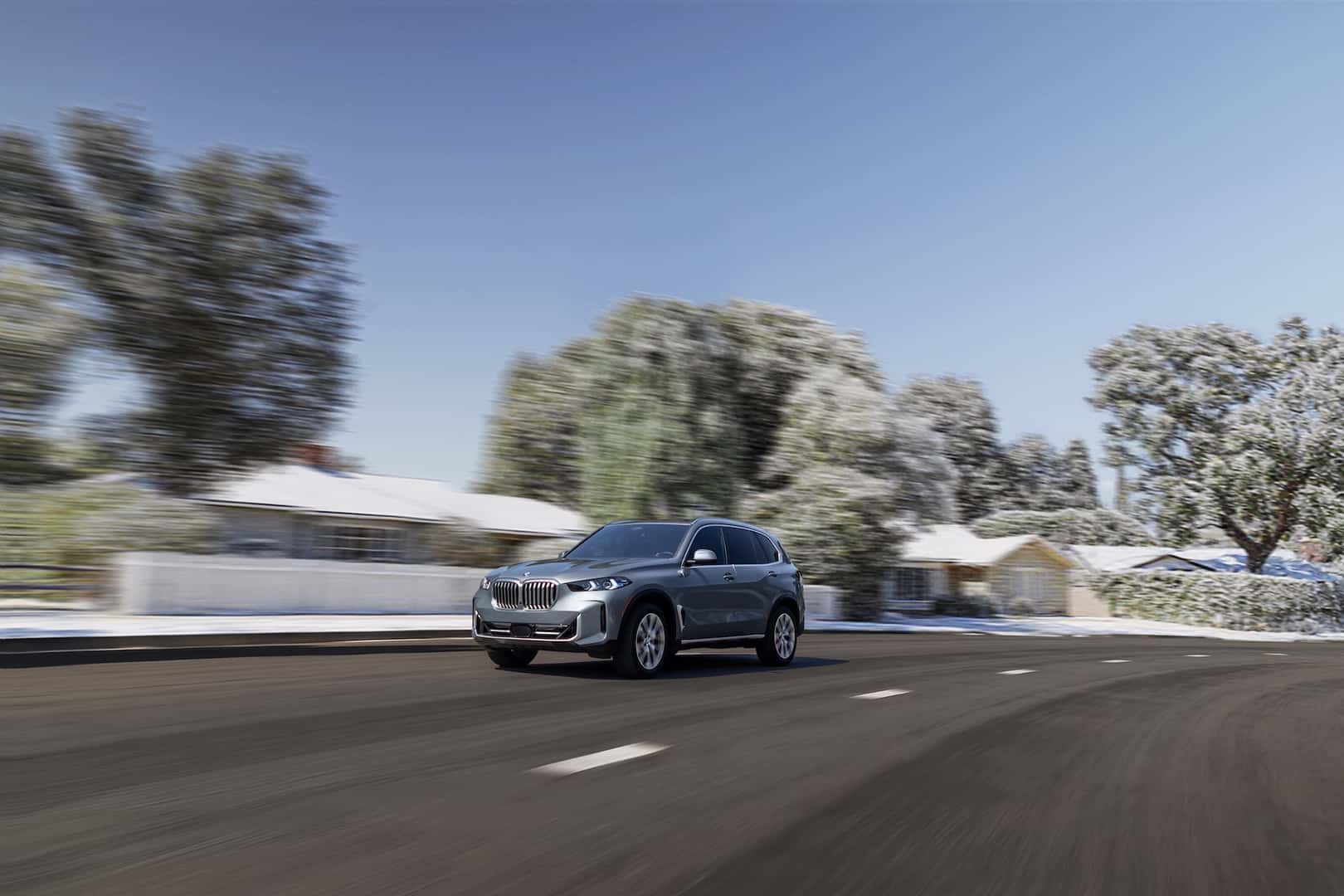
BMW X5, X6, X7, iX, XM qualify as “heavy” SUVs
All five models have Gross Vehicle Weight Ratings above 6,000 lbs, meeting the IRS definition of “heavy” vehicles eligible for the larger Section 179 deduction category.
Section 179 allows ~$31k deduction in 2025
For tax year 2025, Section 179 lets businesses deduct up to $31,300 of the purchase price of each qualifying SUV (>6,000 lbs GVWR) in the first year – assuming the vehicle is >50% business use, placed in service by 12/31/2025, and titled to the business.
Key requirements must be met
To claim Section 179 on a vehicle: it must be purchased new or used (new to you) in an arm’s-length transaction, titled in the company’s name, and used >50% for business in the year placed in service. Exactly 50% or any prior personal use disqualifies the deduction. Leases are excluded.
- 100% bonus depreciation is back
-
Thanks to a 2025 law change, Section 168(k) bonus depreciation is 100% for assets placed in service in 2025. After taking the $31,300 Section 179 deduction on a heavy SUV, you can immediately deduct the remaining balance using bonus depreciation.Example:
-
X5/X6/X7/iX/XM Purchase Price: $70,000 with 100% Business Use
-
A 100% bonus depreciation deduction ($70,000 x 100%) = $70,000
-
-
-
2025 changes mean bigger write-offs
- Recent legislation (H.R.1, 2025) doubled overall Section 179 limits and reinstated 100% bonus depreciation. Compared to 2024 (when bonus depreciation was 60% and the SUV cap ~$30.5k), 2025 offers more upfront tax savings for business vehicle purchases.
-
State tax treatment may differ
-
Here are two important points for Michigan business owners:
- State conformity: Michigan generally follows federal depreciation rules for business tax purposes but confirm with your tax advisor if there are any state-level adjustments.
- Registration and business use: The vehicle must be titled and registered in the business name and used primarily for business purposes to qualify for these deductions.
-
Tax laws can be complex and subject to change. Individual circumstances vary, so consult your tax advisor to confirm eligibility and ensure compliance with IRS guidelines.
Individual tax situations may vary. The information presented was accurate at time of publishing. Federal rules and tax guidelines are subject to change. Consult your tax advisor for complete details on rules applicable to your business.
**With Gross Vehicle Weight Ratings (GVWR) of more than 6,000 pounds, the BMW X5, X6, and X7 SUVs are classified as “Heavy SUVs”. Gross Vehicle Weight Rating (GVWR) is the manufacturer’s rating of the vehicle’s maximum weight when fully loaded with people and cargo.
**REMINDER: If you have any questions, be sure to contact your tax professional for exact recommendations and rules related to Section 179 and vehicle eligibility.**
Luxury car depreciation can continue year two at $19,800, year three at $11,900, and subsequent years at $7,160 until the vehicle is fully depreciated or sold.
*Comparisons based on Section 179 and 168(k) of the Internal Revenue Code, which allows for additional first year depreciation for eligible “Heavy” vehicles and reflects figures for owners who purchase vehicles for 100 percent business use and place vehicles in service by January 1, 2026.